Sa Sativa

Purple Haze


Overview:

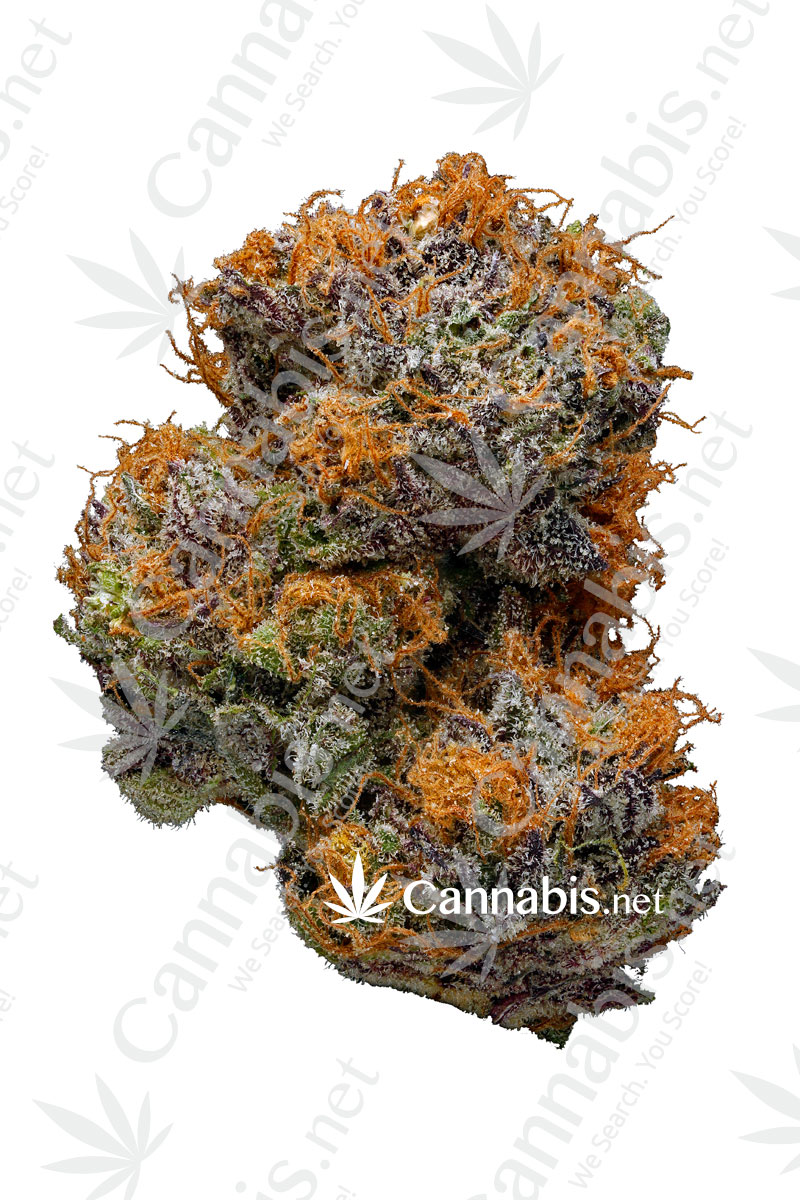
Overview The Purple Haze strain is named to celebrate Jimi Hendrix’s 1967 classic. Purple Haze strain effects deliver a dreamy burst of euphoria that brings veteran consumers back to their psychedelic heyday. This nostalgic Sativa staple remains cherished for its high-energy cerebral stimulation that awakens creativity and blissful contentment throughout the day. Purple Haze is believed to have descended from parent strains Purple Thai and Haze, which pass on a mix of sweet and earthy flavors underscored by notes of berry and sharp spice. Following the 8 to 9 week flowering time, Purple Haze buds typically acquire vibrant hues of lavender that further justify the naming of this strain. Effects The Purple Haze effects deliver a very head orientated high. With a rush of euphoria and energy, the purple haze strain is a comfortable high that lasts for a significant period. Purple Haze strain reviews from even seasoned users tote the Purple Haze strain as a powerful, top-tier bud.

Strain Attributes:

Effects

Creative

Euphoric

Happy

Relaxed

Uplifted

Creative

Euphoric

Happy

Relaxed

Uplifted

Medical Uses

Depression

Headaches

Insomnia

Pain

Stress

Depression

Headaches

Insomnia

Pain

Stress

Negatives

Dizzy

Dry Eyes

Dry Mouth

Headache

Paranoid

Dizzy

Dry Eyes

Dry Mouth

Headache

Paranoid


Rate this Strain!

SPONSORS


FROM OUR BLOG


Medical

Wait, What Actually Happens When The US Finally Does Reschedule Marijuana?

One of the most immediate ways we’ll experience the benefits of rescheduling cannabis is on medical and scientific research. Keeping cannabis in the Schedule I category imposed massive regulatory barriers that made it difficult to study the plant, even for renowned and established clinical or scientific researchers. Strict DEA requirements and severely limited supply of cannabis that could be studied, were all major hurdles for researchers.
Interview

Medical Marijuana Cards - Who Qualifies for One and How Do You Actually Get One?

Qualifying conditions vary state by state. In more lax states, anxiety and insomnia are enough such as in California. In more strict states, severe and debilitating or life threatening conditions is required. Many states are now opening up to patients with problems like PTSD, and chronic pain-related syndromes.  Having said that, let us talk about all the other conditions. For example, epilepsy, inflammation, cancer, HIV, Alzheimers, Parkinsons, Crohn's disease, multiple sclerosis, ALS AIDS and others are generally qualifying across the nation.  
Sports

Working out with Weed - Sativa or Indica?

Even as cannabis has been proven to enhance the way that athletes train and recover, it should not be treated like a silver bullet or a talismanic verse that solves your problems on its own. For best results, make sure to have a balanced diet and to perform proper techniques during your workouts.  Cannabis should not be seen as a steriod or way to gain weight or get cut.  The endocannabinoid system is what cannabis effects more and interacts with as opposed to other systems of the body.