


There are few things in life more painful than being told you only have a few months or years to live.
Curative treatments will no longer work, and money can’t buy the extra years to your life. Not even with the latest advancements in medicine or technology.
Sad as it is, this is the reality of patients with terminal illness. It doesn’t just take away your physical body slowly; it also shakes up everything you thought about your life and what you had planned for the future. Terminally ill patients are forced to grieve early on about the milestones they were hoping to reach, and time with loved ones.
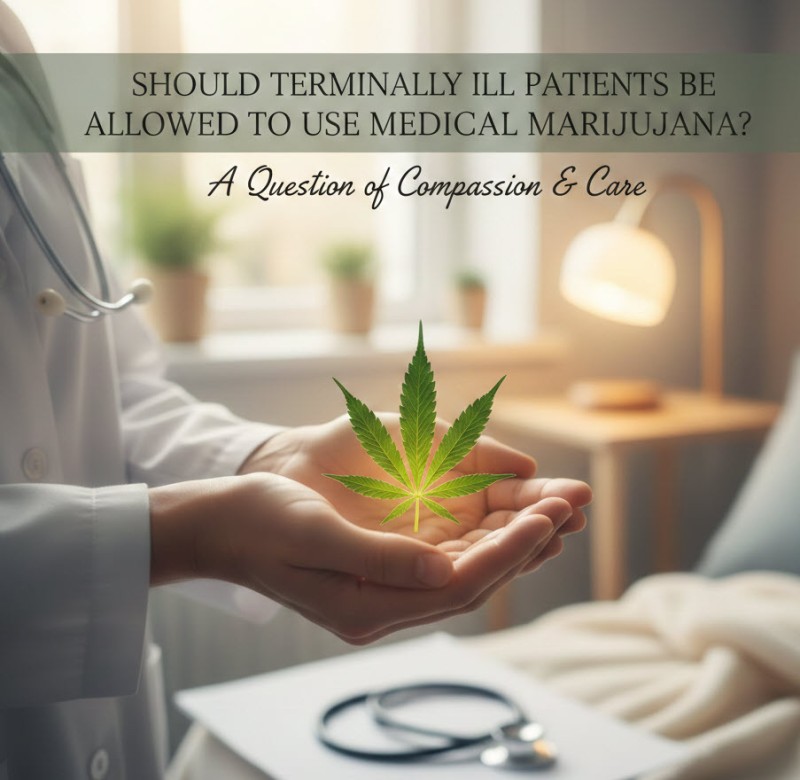
That’s why the goal for patients with terminal conditions is merely to ease suffering and improve quality of life. For many patients, allowing them access to medical marijuana is a key component to being comfortable and somewhat happier during this last stretch of life.
The issue surrounding compassionate choice is somewhat controversial. Even though cannabis is legal for medical use in most of the United States, there are still debates on whether this is the right choice to make.
Cannabis Is Proven Effective In Palliative Care
There are several studies proving the efficacy of marijuana when used for palliative care.
According to one anonymous online poll, which was disseminated through Enclara Pharmacia through the National Hospice and Palliative Care Organization to over 500 hospices, patients found medical cannabis use helpful.
Approximately 310 clinicians (mostly nurses) from 40 states, a majority of whom worked where medical marijuana was legal, responded to the 37-question poll. The responses revealed a high level of support, especially from respondents who helped patients manage anxiety, nausea, pain, and vomiting. However, even if there was favorable feedback from hospice care providers, the researchers found a gap: physicians rarely initiated conversations about it, and it likely stems from the lack of education on medical cannabis use for their patients.
In another study, researchers in Germany found that orally administering THC was associated with improved survival times among terminally ill patients. Investigators analyzed the effects of cannabis-based medications and patient survival times among individuals registered in the Specialized Palliative Outpatient Care (SAPV) department. “The therapy with CBM [cannabis-based medicines] was associated with prolonged median survival,” they noted, specifically an increase from 44 to 65 days. They also noted that the prolonged survival was more significant among elderly female patients over the age of 75.
The researchers concluded that CBM should be part of first-line therapy when it comes to these patient groups, due to the benefits it had on survival time. “Due to the pressing relevance of our observations for palliative care patients, we are making the preliminary data from our ongoing retrospective study available in this pre-publication. Based on the current trend in the evaluation, we consider that patients could promptly benefit from a low and slowly increasing dose,” they said.
Obstacles To Medical Marijuana Use in Terminally Ill Patients
Even though these are just a few of several studies backing up the benefits of cannabis for terminally ill patients, several issues block its mainstream administration.
For one, some opponents are concerned about ethical discomfort during patients’ end-of-life. They argue that patients may be too sedated, that it could affect their cognition. Meanwhile, others mistakenly associate symptom relief with giving up or assisted death. We have to keep in mind that the motivation for using medical cannabis is to provide palliative care, not hasten death.
There are also issues surrounding who decides cannabis use. Should it be the patient, the state, or their loved ones? For supporters and patients alike, denying access to medical marijuana is nothing short of cruel. Yet for opponents, it sparks fear about loss of control and misuse.
Lack of Education: A Serious Barrier
A major precedent, and one that isn’t talked about enough, to improve patient access to medical marijuana in general is the lack of physician education and readiness.
Even in states where medical marijuana is legal, it’s not uncommon for patients to encounter hospice care providers or nurses who are hesitant because they don’t feel equipped to recommend and discuss cannabis use. This isn’t surprising, since medical marijuana use isn’t traditionally included in medical school curricula. There’s a lot to learn, including pharmacology, drug interactions, delivery methods, and even harm reduction.
That’s why many doctors don’t feel comfortable answering patient questions; what more including it in end-of-life management plans?
Additionally, there are other challenges faced by hospices and palliative care settings. These institutions operate with strict protocols that must reduce liability. At the moment, cannabis still doesn’t fit into traditional hospice care models. Staff don’t know how to administer, store, or document it.
CONCLUSION
With all the legal ambiguity that is unfortunately still present, terminally ill patients’ access to medical marijuana can be a serious issue. But at the end of life, the discussions on cannabis use should no longer be about optics or comfort.
We need to turn the focus on the people who are dying. Their remaining days can be made not just tolerable but peaceful thanks to the moments of clarity, relief, peace, sleep, and appetite. Denying terminally ill patients access to medical marijuana does nothing but force them to endure fear, suffering, and pain. When there are legal alternatives that exist, there is no rational reason to do so.
Societies that truly believe in the importance of compassionate care and dignity should encourage access to medical marijuana to patients who want it.
CANNABIS AND THE TERMINALLY ILL, READ ON...