
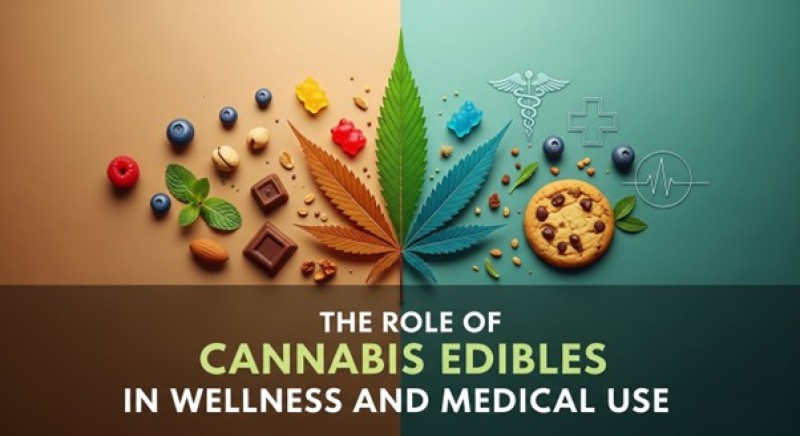

Cannabis edibles have quietly moved from the fringes of pop culture into a genuine conversation about everyday wellness. People are reaching for infused gummies, capsules, and beverages not just for recreation but to support sleep, manage stress, and complement their broader self-care routines. If you have been curious about what all the buzz is about, this guide breaks it down in plain language so you can make an informed decision for yourself.
What Are Cannabis Edibles?
At their simplest, cannabis edibles are food or drink products that contain cannabinoids, the active compounds found in the cannabis plant. The two most talked-about cannabinoids are tetrahydrocannabinol (THC) and cannabidiol (CBD), though the plant produces dozens of others including CBG, CBN, and CBC, each with its own potential effects.
Unlike smoking or vaping, edibles deliver cannabinoids through the digestive system. This route changes how and when you feel the effects, which is one of the main reasons people prefer them. There is no smoke involved, the experience tends to be longer-lasting, and the dosing can be more predictable once you understand how your body responds.
How Edibles Work in the Body
When you eat a cannabis-infused product, the cannabinoids travel through the stomach and intestines before reaching the bloodstream. In the liver, THC is converted into a compound called 11-hydroxy-THC, which is notably more potent and longer-lasting than inhaled THC. This metabolic difference is why edibles hit differently and why patience is important.
Onset time and duration
Most edibles take between 30 minutes and 2 hours to produce noticeable effects, depending on your metabolism, body weight, and whether you have eaten recently. Effects can last anywhere from 4 to 8 hours, sometimes longer. First-time users often make the mistake of taking more before the first dose has fully kicked in, which can lead to an overwhelming experience. The golden rule is simple: start low, go slow.
The endocannabinoid system
Your body already has a built-in system designed to interact with cannabinoids. The endocannabinoid system (ECS) is a network of receptors found throughout the brain, gut, immune system, and skin. It plays a role in regulating mood, sleep, appetite, pain perception, and immune response. Cannabinoids from cannabis essentially mimic or influence the natural compounds your body already produces, which helps explain why so many people report benefits across such a wide range of concerns.
Common Uses in Wellness Routines
People incorporate cannabis edibles into their wellness lives for many different reasons. While we always encourage you to speak with a healthcare professional before using any supplement, here are some of the common themes people report:
Sleep support
Struggling to wind down at night is one of the most common reasons people turn to cannabis products. Indica-leaning THC edibles and CBD-rich options are both popular choices for those looking to ease into rest. Some products also include melatonin or herbal blends like valerian root to compound the calming effect.
Stress and anxiety relief
Low doses of THC combined with CBD may help take the edge off without producing an intense psychoactive experience. CBD-dominant edibles are particularly popular for daytime stress because they do not typically cause impairment. Many users find that a consistent, modest dose taken at a set time each day works better than occasional higher doses.
Physical discomfort and inflammation
Athletes and active individuals have become one of the fastest-growing groups exploring cannabinoid wellness products. CBD in particular has attracted attention for its potential anti-inflammatory properties. Some users take edibles after workouts as part of a recovery protocol alongside stretching, hydration, and rest.
Practical tip
Keep a simple journal when you start using edibles. Note the dose, time taken, what you ate beforehand, and how you felt. This makes it much easier to find your ideal routine.
Understanding THC Variants: Delta 8 and Delta 9
Not all THC is the same. Most people are familiar with Delta 9 THC, the primary psychoactive compound in traditional cannabis. Delta 8 THC is a closely related cannabinoid that occurs naturally in the plant in small amounts and is often derived from hemp-sourced CBD through a conversion process.
Delta 8 is frequently described as producing a milder, clearer-headed effect compared to Delta 9. Users report feeling relaxed and uplifted without the anxiety or intense intoxication that can sometimes accompany higher doses of Delta 9. This has made Delta 8 products especially appealing to people who want the potential therapeutic benefits of THC but prefer a gentler experience. If you are curious about trying this option, Delta 8 CBD Gummies are one of the more accessible ways to explore this cannabinoid in a measured, consistent format.
Choosing the Right Edible for You
The market for cannabis edibles has expanded enormously in recent years. Gummies are still the most popular format because they are discreet, easy to dose, and come in a wide range of cannabinoid ratios. Capsules are favored by those who want a no-fuss, supplement-style experience. Chocolates and mints offer a more sensory enjoyment angle, while beverages are emerging as a social alternative to alcohol.
What to look for on the label
Always check for total cannabinoid content per serving, not just per package. Look for products that have been third-party lab tested, with a certificate of analysis (COA) available. This confirms that the product contains what it claims and that it has been screened for contaminants like pesticides, heavy metals, and residual solvents. Reputable brands make COAs easy to find, either on the packaging or their website.
Full-spectrum, broad-spectrum, and isolate
Full-spectrum products contain the complete range of cannabinoids, terpenes, and flavonoids from the plant, including trace amounts of THC. Broad-spectrum has most of the same compounds with THC removed or reduced to non-detectable levels. Isolate products contain a single cannabinoid, usually CBD, with everything else stripped away. Many users find full-spectrum and broad-spectrum options more effective due to what researchers call the entourage effect, where cannabinoids and terpenes work better together than in isolation.
Responsible Use and Safety Tips
Cannabis edibles are not for everyone, and responsible use matters. Here are a few practical guidelines worth keeping in mind:
Never drive or operate machinery after consuming THC edibles. Even if you feel fine, your reaction time and judgment may be subtly affected. Keep edibles safely stored away from children and pets, as the packaging can look like ordinary food. If you are pregnant, nursing, or taking prescription medications, speak with your doctor before using any cannabis product. People with a history of anxiety, psychosis, or cardiovascular conditions should exercise particular caution with high-THC products.
Legality also varies significantly depending on where you live. Hemp-derived CBD products are widely legal across many regions, while THC-containing products are regulated differently state by state and country by country. Always check your local laws before purchasing.
Medical Cannabis and the Growing Research Landscape
Beyond personal wellness, there is a growing body of clinical research exploring cannabinoids in formal medical contexts. CBD has received FDA approval in the form of Epidiolex for certain types of epilepsy. Researchers are actively investigating cannabinoids for applications in nausea management (particularly for chemotherapy patients), multiple sclerosis-related spasticity, and chronic pain conditions.
It is important to note that while the research is promising, most therapeutic applications are still being studied. We are not at the point where cannabis edibles can be described as a treatment or cure for any condition, and anyone managing a diagnosed health issue should work with a qualified medical professional rather than relying on self-administered cannabinoids alone.
That said, for general wellness support, products like Delta 8 CBD Gummies offer a convenient starting point for people exploring how cannabinoids fit into a balanced, health-conscious lifestyle.
Final Thoughts
Cannabis edibles occupy a genuinely interesting place in modern wellness culture. They offer a smoke-free, longer-lasting, and increasingly well-understood way to experience the potential benefits of cannabinoids. Whether you are drawn to CBD for its calming properties, intrigued by the gentler profile of Delta 8, or simply looking to support better sleep and recovery, edibles give you a controllable, consistent format to work with.
The most important thing is to approach them thoughtfully. Do your research, start with a low dose, buy from transparent brands that share lab results, and listen to your body. Wellness is personal, and what works well for one person may not be the right fit for another. Used responsibly and with realistic expectations, cannabis edibles can be a meaningful addition to a broader commitment to taking care of yourself.