

For several decades, psychedelic mushrooms were considered nothing more than hallucinogenic drugs. Magic mushrooms, as they were fondly referred to, were treated as a symbol of counterculture for most of the 20th century.
Ironically, psychedelic mushrooms were used by Indigenous cultures for rituals and ceremonies. Most notably, they were used by the Mexican Mazatec people, but other cultures also widely used mushrooms for divination, spiritual insight, and healing. The medicinal and therapeutic benefits of magic mushrooms were known long before Western science began showing an interest in these fungi.
Following the War on Drugs, the modern mental health crisis that quietly began in the 2000s was a catalyst for change. With more people suffering from PTSD, depression, anxiety, and addiction than ever, we began to realize that conventional psychiatric tools and SSRIs were not working for everyone. We needed something better
But these days, magic mushrooms are highly prized for their medical value.
And there’s a lot of established research to back it up.
Scientific Interest In Psilocybin Mushrooms Is Gaining Ground
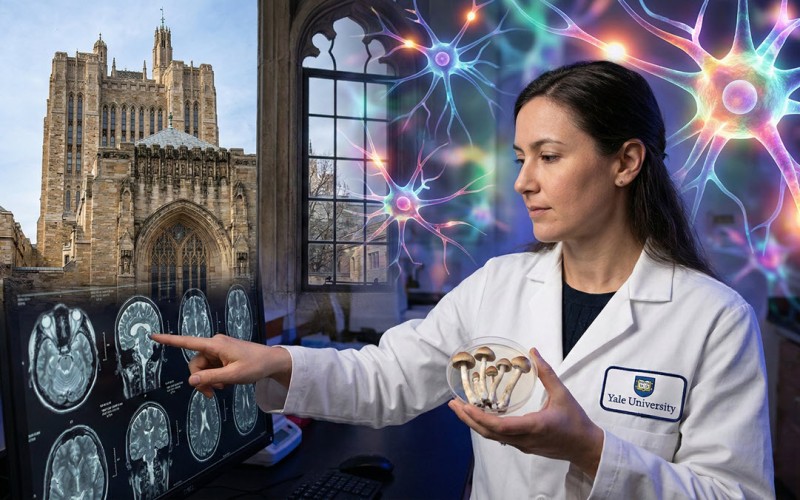
Yale University is one of the pioneering institutions in psilocybin research. So much so that they have their own multidisciplinary program dedicated to studying the effects of psychedelic agents and their therapeutic potential. They are currently running several psilocybin clinical trials, to better learn about its effects on various aspects of mental health, including obsessive-compulsive disorder, major depressive disorder, post-traumatic headaches, and cluster headaches,among others.
Recently, the results of studies conducted by researchers from the Yale Program for Psychedelic Science revealed fascinating results. The investigators wanted to learn more about its potential benefits on mental health and psychiatric disorders. According to Christopher Pittenger, director of the School of Medicine’s Program for Psychedelic Science: “We’re also interested in how psilocybin and other psychedelic drugs affect the brain in both animal and human studies, and in what their dramatic effects can tell us about normal brain function and the relationship between brain activity and mental experience,” he tells the News.
Pittenger studied psilocybin’s effects on obsessive-compulsive disorder, or OCD. After which, he found that participants felt disoriented and had sensations altered, but powerful emotions and feelings of connection were reduced. He also noted that some participants reported having religious experiences.
“While under the influence of psilocybin, people can be quite vulnerable, both physically and emotionally,” he added. “Some psilocybin ‘trips’ can be emotionally quite overwhelming, and this can have enduring negative consequences.” For Pittenger, there is an opportunity here: he and his team work to assist research participants to reduce bad experiences and turn them into positive ones.
The ability of psilocybin to induce spiritual or religious types of experiences is well-known. Many users often describe it as a truly meaningful experience, and they aren’t just imagined: they are also well-documented in science, evident through changes in brain activity, self-awareness, and perception.
Barriers to Research
However, Pittenger discusses the barriers to research. More current as well as future studies are certainly needed to better understand the effects of psilocybin, but since doing so requires approval from several regulatory bodies, such as the Drug Enforcement Agency, the US Food and Drug Administration, and various review boards, it can feel almost impossible. The regulatory burden impedes progress in research, especially when it comes to helping us better understand how it can be used to treat different psychiatric disorders.
The Link Between Spirituality and Mental Health
While there are so many interesting things to learn, one of them is the link between magic mushrooms’ spiritual effects, which are the same mechanisms that can drive mental health benefits. For example, several mental health disorders, especially OCD, anxiety, and depression, are triggered by a pattern of negative thinking and extreme self-focus.
But psilocybin can quiet the ego by reducing harsh inner dialogue, extreme self-judgment, and fixed identity narratives.
Additionally, during a good trip, it’s common for individuals to experience lovely feelings of awe. It can be compared to feeling small in the large universe we live in, which thus helps reduce our stress hormones and improves overall emotional regulation.
Psilocybin can also change time perception. This is a great help for trauma victims, who usually feel stuck in time, constantly replaying traumatic events as if they’re still happening. With psilocybin therapy, victims can learn to move beyond the traumatic experience, even replaying the painful memory without the same emotional charge.
Thanks to the work of Yale University and other institutions, we’re slowly but surely getting a better understanding of psilocybin. We know for certain that it addresses many unmet needs in modern mental health.
CONCLUSION
This growing body of research makes it clear that psilocybin is no longer a fringe substance associated with merely getting high.
The work of institutions such as Yale University is doing incredible work in reintroducing psilocybin to the world of modern medicine with an emphasis on patient safety, and with critical guardrails in place, such as ethical oversight and scientific rigor.
Since magic mushrooms work by quieting negative self-thought loops, dissolving the ego, and softening strict images of self-identity, it represents a novel approach to mental health treatment. Instead of working to numb symptoms or require daily use, psilocybin may be effective with just a few doses, leading to lasting psychological change.
That said, we must keep discussing the significance of policy reform to stay in pace. We need to reduce unnecessary regulatory barriers that will speed up research and minimize risk.
PSYCHEDELICS FOR MENTAL HEALTH? READ ON...
MENTAL HEALTH AND PSYCHEDELICS, READ THE REPORT!